Blog
Movement of Cargoes to Landlocked Countries: CIS & Africa
🕒 September 2025
380 Views
Shipping to landlocked countries presents a unique challenge. Lacking direct access to the sea, these nations rely on their neighbours’ ports and strong inland transport systems. The way cargo moves in and out, the types of goods traded, and the solutions logistics companies implement make this area of global trade particularly interesting. Here’s an overview of how it operates in the CIS region and Africa, along with some key trade flows.
CIS Landlocked Countries
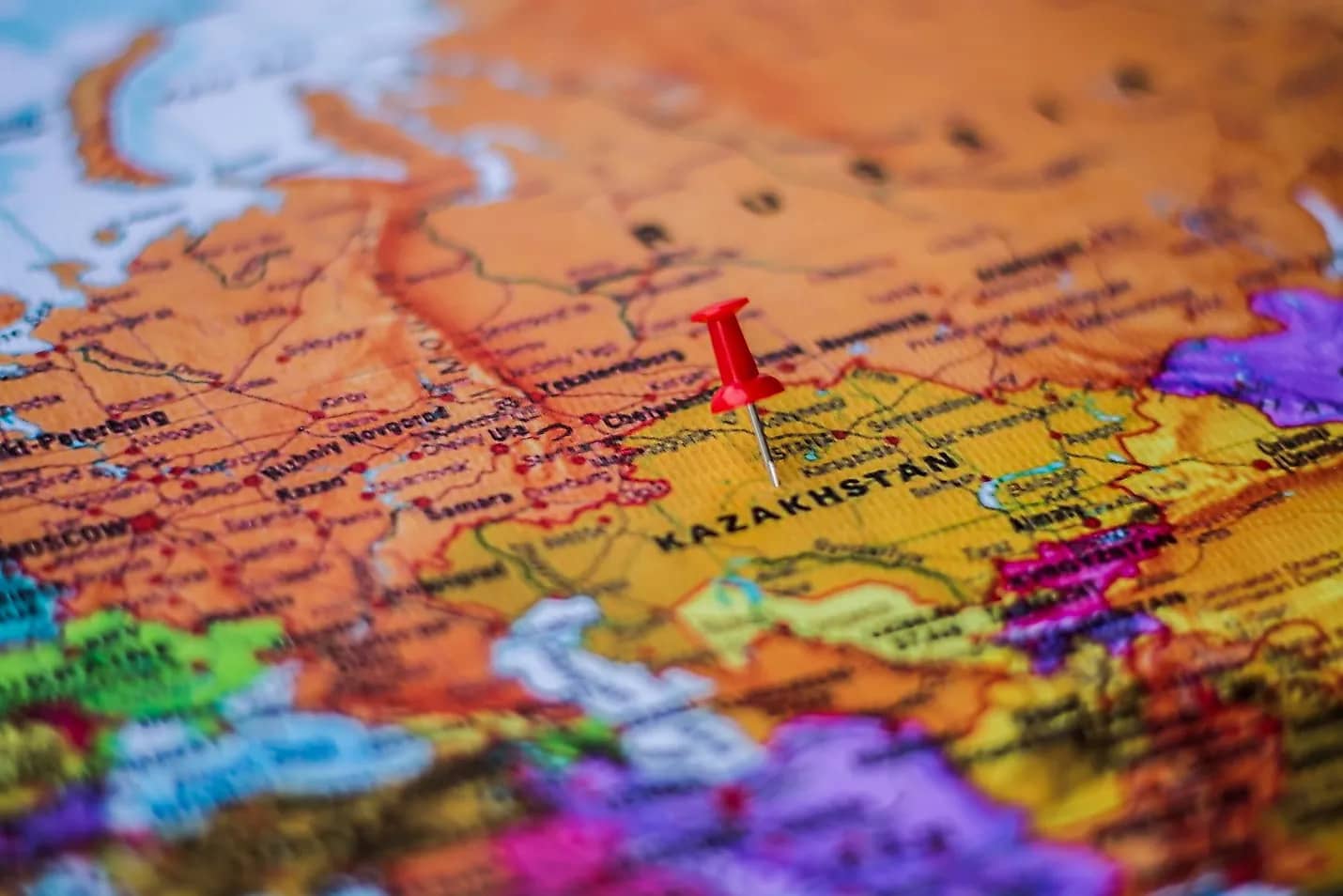
Countries like Turkmenistan, Azerbaijan, Armenia, Kazakhstan, Uzbekistan, Kyrgyzstan, and Tajikistan are landlocked, yet trade flows smoothly due to established transit routes through Persian Gulf, the Baltics, or Black Sea ports. Rail and road networks are essential for connecting these ports to inland destinations.
What they bring in:
- Machinery
- Vehicles
- Electronics
- Pharmaceuticals
What they send out:
- Oil
- Minerals
- Metals
- Cotton
- Dry Fruits
How it works:
- Shipments arrive at the port, then move by rail or road to reach cities further inland.
- Efficient networks and strong partnerships with transport providers make this process efficient.
African Landlocked Countries
In Africa, countries such as Ethiopia, Uganda, Rwanda, Zambia, and Mali depend heavily on nearby gateway ports like Mombasa, Dar es Salaam, Durban, and Tema. Once cargo reaches the port, it travels by road, rail, or sometimes air to its final destination.
Imports:
- Fuel
- Industrial machinery
- Vehicles
- Processed food
- Consumer goods
Exports:
- Coffee
- Tea
- Cocoa
- Minerals
- Oilseeds
- Textiles
Why it matters:
- On-time delivery relies on well-maintained roads.
- Dependable rail services.
- Efficient customs processes at both ports and borders.
Trade Between CIS and Africa
Trade between CIS countries and Africa is steadily increasing.
From CIS to Africa:
- Fertilizers
- Cereals
- Machinery
- Steel
From Africa to CIS:
- Coffee
- Cocoa
- Tea
- Oilseeds
- Minerals
How it moves:
- Multimodal solutions that combine sea, rail, and road transport are making these trade flows faster and more dependable.
- This helps businesses grow and sustain supply chains across continents.
Opportunities and Trends
Several positive developments are helping improve trade efficiency in landlocked regions.
Trends & Opportunities:
- Better connectivity: New rail and road projects are improving links between ports and inland countries.
- Infrastructure improvements: Modernized ports, customs hubs, and logistics centers minimize delays.
- Technology adoption: Digital tools for tracking, inventory management, and customs clearance are streamlining shipments and increasing transparency.
- Regional hubs: Key cities in landlocked countries serve as distribution centers, helping cargo move efficiently to surrounding areas.
- Strategic partnerships: Collaboration between shipping lines, local transport providers, and authorities ensures faster and more cost-effective transit.
Conclusion
Landlocked countries in CIS and Africa are crucial players in global trade. Despite the challenges of lacking direct sea access, strong logistics networks, smart multimodal solutions, and modern infrastructure enable efficient trade.
As trade between these regions expands, there is a growing need for reliable, affordable, and quick logistics solutions. Companies that understand these corridors and navigate the complexities will play an important role in connecting continents and supporting economic growth in landlocked nations.