


The biggest challenge in Exim trade is movement of cargo into landlocked countries. Yes, the option of airfreight to airlift the cargo is available directly but it is at a cost and not economical or not feasible because of the volume or weight or being over dimensional or could be a hazardous cargo.
It is at such moments that careful selection of the correct route plays an important role.
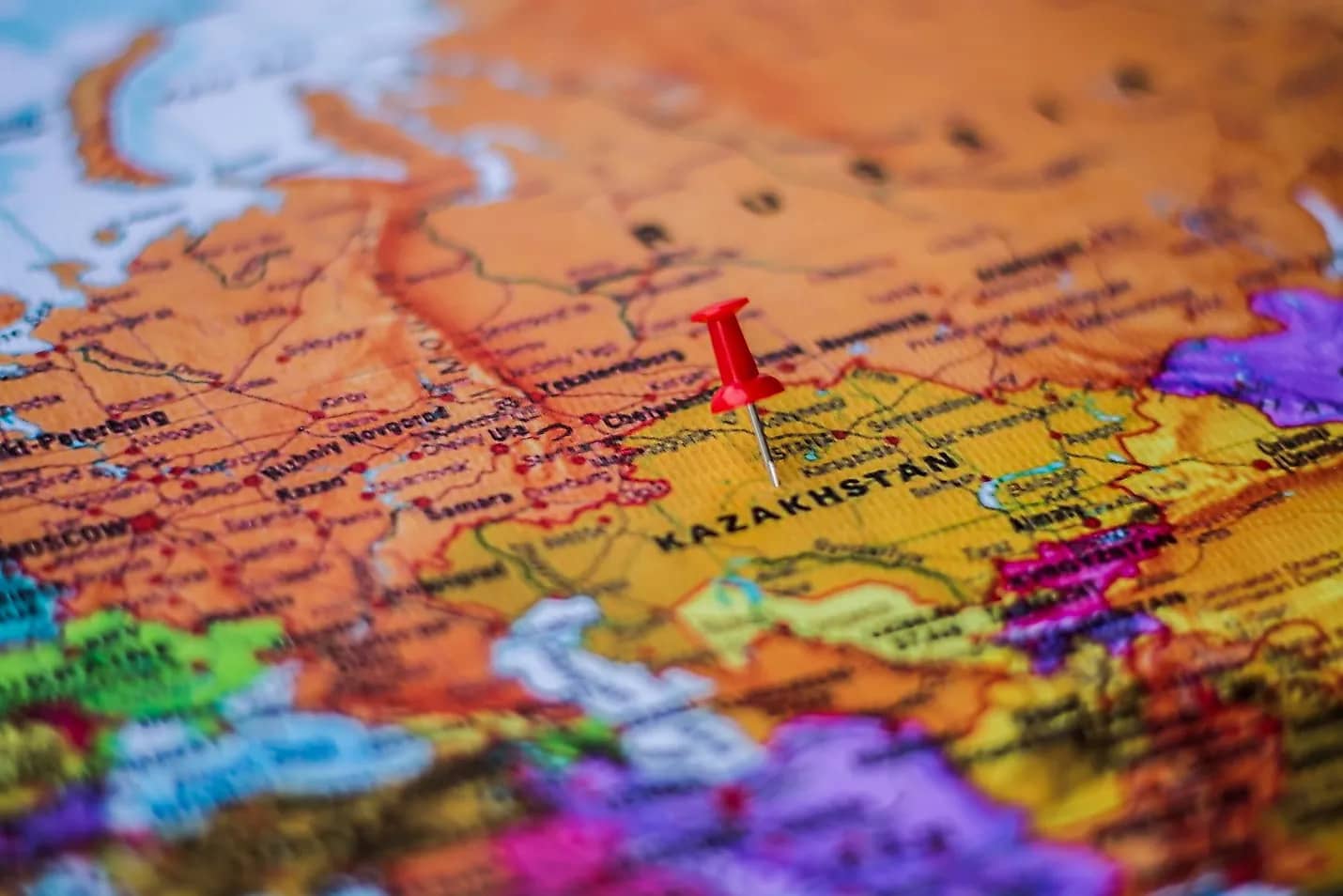
CIS (Commonwealth of Independent States) is the breakup of past Soviet Union comprising of Russian Federation, Ukraine, Moldova, Kazakhstan, Belarus, Kyrgyzstan, Uzbekistan, Tajikistan, Armenia, Azerbaijan & Turkmenistan. Some of the other countries of the union are not part of the CIS.
Among these mentioned CIS countries only Russia and Ukraine have access to port, and the rest are landlocked and cargo to these countries moves via one or two other countries.
Factors to Consider When moving Cargoes into Landlocked countries in the CIS.
There are many routes for cargoes to move into CIS countries as below:
When selecting the gateway port, the first thing is to identify the nearest ports to the country and delivery destination. Example, if we must deliver a cargo into Belarus then ideal would-be Klaipeda or Tallinn. If we must deliver cargo into Azerbaijan then we would consider ports of Mersin, Georgia and Bandar Abbas. The nearest port will be first economical or competitive in terms of transportation cost.
These would affect the movement via countries going into the country of delivery. Example, movement via Iran is affected because of sanctions by the UN against Iran except for humanitarian cargo. Movement via Russian ports is also affected because of Sanctions against Russia. As such it is important to know the political situation around the different routes. The movement into Poti is now long because of Red Sea crisis whereby all shipping liners are moving around Cape of Good Hope increasing the transit time by 3-4 weeks but there are some vessels using the Red Sea routes into Mersin which can be an alternative to Poti.
The type of cargo is very important in determining the routes. For example, Hazardous Cargoes are not accepted by Rail via China or Liquors and Tobacco are restricted via Iran. Some countries have restrictions on certain pharma products, etc. Certain project cargoes can move along certain routes only.
The movement also needs to consider the traffic at various gateways. Like the long waiting at Qingdao or Lianyungang in China because of the heavy volumes of cargo there is a waiting of 3-4 weeks. Same is the condition at time at Bandar Abbas or Vladivostok ports
The second mode of transportation chosen is important. Chinese route or the Vladivostok route concentrate on Rail movements as Road is very expensive. Mersin and Iran concentrate on Road movement (as fewer wagons/trains arrive at Iran border post sanctions. Poti port is very idle for both Road and Rail but need alternative movement options at the Caspian Sea or the rail moves via Russian territory and customer would not like to use that route because of sanctions. It means moving via the Caspian Sea is a good option but presents its own challenges during the winters when it freezes. Secondly, limited feeder ships moving across the Caspian Sea. Same goes via Bandar Abbas as Iran faces sanctions. Not so good relationship between Turkey and Armenia means trucks must cross over from Turkey into Georgia and then go to Azerbaijan instead of straight via Armenia.
One of the most important factors is how urgent the cargo is. If cargo is urgent and trucking via Chinese ports could be expensive then alternative would be moving Bandar Abbas where transit time would be fast via Truck, then moving via China and pay a higher trucking cost. Same is the case when using any other mode of transport to understand how fast the cargo can be moved using a particular route and a particular mode of transport
Transportation from Bandar Abbas to Almaty or Qingdao to Almaty would be comparing 2 different routes using Road transport. Via Bandar Abbas would be economical viz Qingdao. As such cargoes moving from certain sectors like India Sub-continent, Southeast Asia, Middle East, etc., would find it convenient to move via Bandar Abbas instead of China due to high cost and waiting.
Nature plays an important role in these countries which are covered with mountains, deserts and large landmasses. Extreme cold weather also restricts the movement of certain commodities in very cold weather, especially food products or medicine or juices in glass bottles, pharmaceuticals, etc., which could be damaged by extreme weather conditions.
A proper assessment of the cargo, the destination and the urgency could assist logistics companies understand which route they should use for which cargo, which route will turn out cost effective and safe and what is the transit time from the gateway to the location of delivery.
